10 Elegant Home Décor Ideas for 2026 That Look Effortlessly Chic
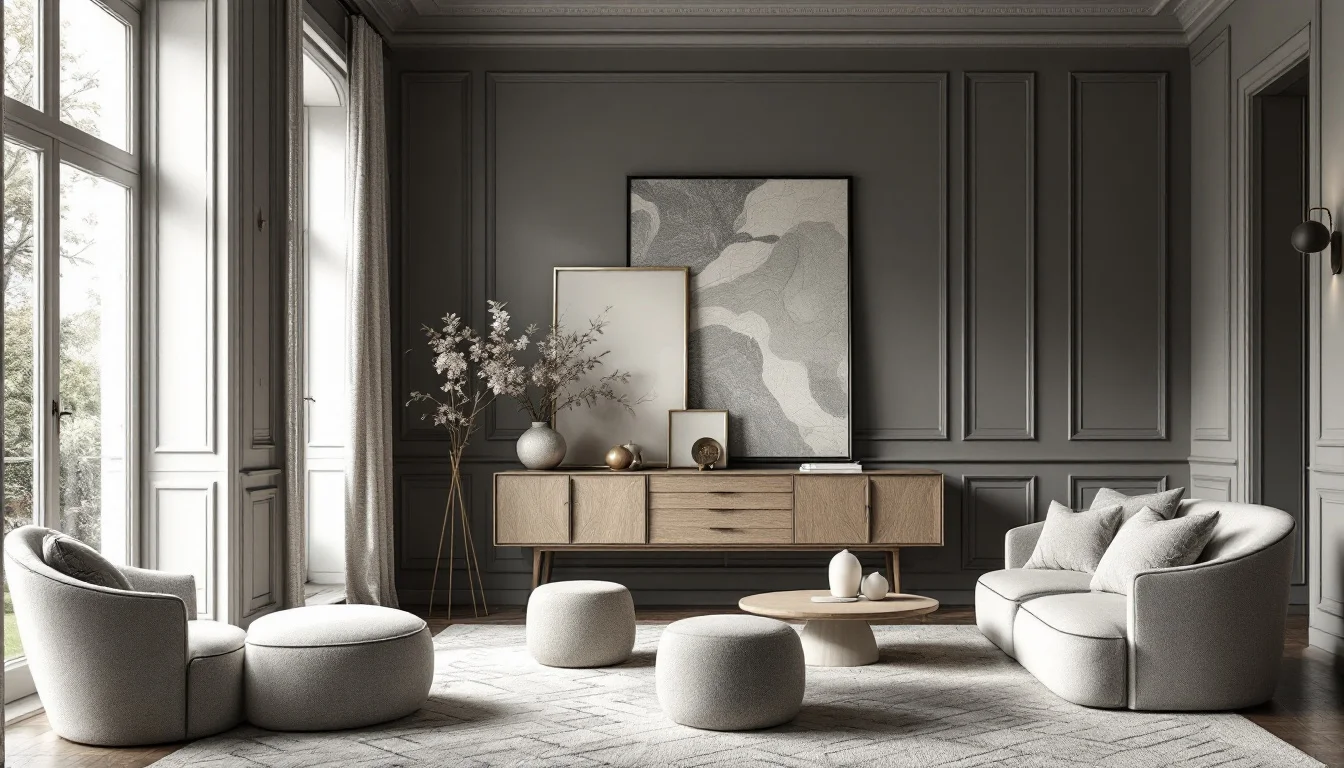
The definition of an elegant home has fundamentally shifted. In 2026, achieving an effortlessly chic interior goes far beyond selecting expensive fabrics or following fleeting color trends. Today, a beautifully designed space requires a structural and environmental intelligence that merges high-end aesthetics with sustainable responsibility.
Modern interior styling now demands intentionality. Homeowners are looking past surface-level decorations, focusing instead on how a room functions, how it makes them feel, and what its materials represent. This evolution means that creating a sophisticated environment is no longer just about visual curation; it is about making holistic choices.
From integrating architectural details that provide custom depth to leveraging new energy efficiency certifications that can help fund premium upgrades, the approach to upscale décor has matured. True elegance is now defined by a careful balance: combining timeless visual foundations with a rejection of disposable culture, resulting in spaces that are both deeply personal and structurally sound.
Key Takeaways
- Strategic Visuals: Layered lighting and carefully positioned mirrors instantly expand a room, adding depth and professional polish without requiring structural changes.
- Architectural Upgrades: Custom millwork and upgraded hardware—from cabinet pulls to decorative floor vents—act as architectural jewelry that elevates basic cabinetry into bespoke features.
- Sustainable Sophistication: The era of fast furniture is ending; modern elegance relies on circular design, such as biomaterials, to reduce the massive carbon footprint of domestic waste.
- Green Financing: Validated green certifications and smart home integrations can contribute to unlocking discounted mortgage rates in certain European countries, providing homeowners with potential capital for premium aesthetic upgrades. The availability and extent of such discounts vary significantly by lender, country, and certification scheme.
How do I build a thoughtful visual foundation?
Idea 1: Implement Layered Lighting
A truly chic room is never illuminated by a single overhead source. Layered lighting is essential for adding depth and making a room feel significantly more comfortable. This technique makes a space look professionally designed rather than casually assembled. To execute this, distribute different light sources throughout the room based on function and mood. A standard approach involves placing a table lamp beside a sofa, adding a floor lamp in a dedicated reading corner, and installing wall sconces near artwork. This variety in height and intensity eliminates harsh shadows and creates a welcoming, sophisticated atmosphere.
Idea 2: Maximize Space with Strategic Mirrors
Mirrors remain one of the most effective tools for spatial manipulation in interior design. When placed correctly, mirrors make a room appear larger and brighter by capturing and reflecting natural light. They naturally draw the eye deeper into the room, altering the perception of the physical boundaries. For maximum impact, especially in a small space, place a mirror directly across from a window; this specific placement immediately creates the illusion of extra room while amplifying the available daylight.
Idea 3: Choose a Cohesive Natural Aesthetic
Establishing a core aesthetic prevents a home from feeling disjointed. The most compelling styles currently prioritize natural materials and functional layouts, allowing homeowners to build a calm, elegant base before adding personal touches.
| Design Style | Core Philosophy | Signature Materials & Elements |
|---|---|---|
| Organic Modern | Merging clean contemporary lines with raw nature. | Contemporary furniture paired with natural materials such as wood, stone, linen, and clay. |
| Japandi | Blends Japanese simplicity with Scandinavian comfort to create calm, highly functional rooms. | Light wood furniture, neutral colors, and carefully selected, sparse décor. |
| Boho | Aims for a warm, personal, characterful home that prioritizes individuality over rigid perfection. | Layered textures, woven materials, vintage finds, earthy colors, and houseplants. |
| Scandinavian | Focuses on simplicity and functionality, balancing everyday living with bright, clutter-free spaces. | Light-filled rooms, minimal ornamentation, and an emphasis on natural daylight. |
Which architectural details make a room look expensive?
Idea 4: Add Wall Moldings for Custom Depth
Nothing anchors the elegance of a room quite like architectural millwork. Wall moldings instantly elevate a space by adding distinct depth and visual interest to otherwise flat surfaces. Integrating millwork makes any room feel far more custom and deliberately considered, signaling a high-end finish. Fortunately, achieving this bespoke look does not require a massive renovation budget; there are many inexpensive ways to add molding to standard walls to create classic paneling or picture-frame profiles.
Idea 5: Treat Hardware as Architectural Jewelry
Small fixtures often dictate the perceived quality of a home's interior. Hardware acts "like jewelry for your home" and can dramatically elevate both built-in cabinetry and freestanding furniture. This extends beyond the standard knobs, pulls, and door handles. Swapping out basic plastic or metal floor vents and wall grates for decorative designs is an effortless way to add an unexpected layer of elegance. These minor upgrades require minimal effort but yield a high visual return, ensuring every touchpoint in the room feels premium.
Idea 6: Hang Window Treatments High
Properly styled window treatments complete a room by adding necessary texture and warmth to the perimeter. The installation method is just as important as the fabric choice. To maximize the perceived size of a room, full-length drapes should be hung as high as possible, close to the ceiling line, which immediately adds visual height to the space. Combining these with tailored roman shades creates a layered, custom window treatment that feels both luxurious and meticulously planned.
How do I reject fast furniture and embrace circular design?
Idea 7: Avoid the Trap of Fast Furniture
Effortless chic is incompatible with disposable consumerism. Millions of tons of furniture are discarded annually across the EU, yet only a small fraction gets recycled. This phenomenon, known as "fast furniture," results in poorly constructed pieces that degrade quickly and fill landfills.
Similarly, the destruction of unsold textiles in Europe generates millions of tonnes of CO₂ emissions annually.
True modern elegance requires moving away from these wasteful cycles. The regulatory landscape is already forcing this shift: under the EU Ecodesign for Sustainable Products Regulation (ESPR), frameworks are being established to require transparency regarding the destruction of unsold products. As transparency increases, choosing long-lasting, quality materials over temporary, mass-produced items has become a fundamental principle of sophisticated interior design.
Idea 8: Decorate with 3D-Printed Circular Homeware
The alternative to fast furniture is circular design, which transforms waste into high-end décor. Innovative companies are pioneering methods to create beautiful objects without extracting new raw materials.
A prime example is Krill Design, which utilizes a specific four-step production process to create sustainable homeware. First, food waste is gathered, dried, and ground into a fine powder. Second, this powder is mixed with a patented biomaterial known as 'Rekrill'. Third, the resulting mixture is shaped into a filament and wound onto a spool. Finally, the filament is fed into a 3D printer to create objects that actually look, smell, and feel like the organic matter they originated from, such as fruit or coffee. While pieces like this add a unique aesthetic and a compelling narrative of sustainability, 3D-printed biomaterials currently come with a price premium and remain at a limited production scale.
How do green certifications pay for my décor?
Idea 9: Consolidate Your Home's Smart Energy Credentials
While energy performance certificates might seem far removed from interior styling, a homeowner's energy paperwork directly impacts their renovation budget. Elegance in 2026 extends to the unseen structural intelligence of a home. Homeowners are increasingly prioritizing smart, energy-efficient upgrades, and European frameworks have evolved to streamline this process.
The Smarter EPC system represents a major leap forward in how homes are evaluated. It combines two separate assessment processes—the Energy Performance Certificate (introduced by a 2002 EU directive) and the Smart Readiness Indicator—into a single, highly efficient workflow. Because of this integration, only one on-site audit is needed to collect all the necessary property data. A centralized digital hub then connects the software tools of both evaluations into one interface, ultimately issuing a single joint certificate. In fact, combined EPC/Smart Readiness Indicator assessments have been piloted across several European countries under the Smarter EPC project. This streamlined approach makes it simpler for homeowners to prove the advanced operational standard of their property.
Idea 10: Unlock Décor Budgets with Green Mortgages
This structural intelligence directly impacts financial flexibility for interior design.
Homeowners can strategically leverage environmental certifications to fund their aesthetic vision through green mortgage pricing. Because certified green homes have much lower energy running costs, buyers are statistically less likely to default on their mortgage loans. This reduced risk can allow banks to offer discounted finance rates to those with validated certification schemes—a mechanism demonstrated by initiatives such as SMARTER4EU, which has worked with banks, housebuilders, and municipalities to develop Green Homes and Green Mortgage programmes in Ireland, Romania, Spain, Portugal, and Ukraine (CINEA, 2026). It is important to note that green-mortgage discounts are typically modest, vary significantly by lender and country, and are not universally available across Europe. Homeowners should verify what schemes and rates apply in their specific jurisdiction before making financial plans.
The SMARTER4EU programme has unlocked green finance and certification for tens of thousands of new homes across Europe. Large-scale green residential projects have been registered to be certified through SMARTER4EU, triggering substantial investment. This financial strategy reframes the "invisible elegance" of green infrastructure as a potential funding mechanism for tangible interior upgrades, as monthly savings generated by a lower mortgage rate—where available—can be actively redirected into high-impact visual enhancements.
FAQ: Perfecting the Details of Home Décor
How high should I hang curtains?
To maximize the perceived size of a room, full-length drapes should be hung as high as possible, close to the ceiling line. This immediately adds visual height to the space and creates a layered, custom window treatment that feels both luxurious and meticulously planned.
How many light sources does a layered lighting scheme need?
A truly chic room is never illuminated by a single overhead source. For a successful layered lighting scheme, distribute different light sources based on function and mood—such as a table lamp beside a sofa, a floor lamp in a reading corner, and wall sconces near artwork. This variety eliminates harsh shadows and creates a welcoming atmosphere.
What is a green mortgage and who qualifies?
Green mortgages offer discounted finance rates to buyers of certified energy-efficient homes, as these properties have lower running costs and present a statistically lower default risk for banks. Schemes such as SMARTER4EU have demonstrated this model in Ireland, Romania, Spain, Portugal, and Ukraine. However, availability, qualifying conditions, and the extent of any discount vary significantly by lender and country. Homeowners should consult their local bank or mortgage adviser to determine what, if any, green mortgage products are available in their jurisdiction.
How do I tell fast furniture from durable furniture?
Fast furniture often relies on poorly constructed pieces and temporary, mass-produced materials that degrade quickly and fill landfills. Durable furniture prioritizes long-lasting, quality construction, circular design principles, and sustainable materials, moving away from wasteful disposable cycles.
Conclusion
The concept of a beautiful home has permanently evolved from a purely visual pursuit into a holistic integration of aesthetics, technological readiness, and environmental responsibility. As pioneering examples of circular biomaterials challenge disposable manufacturing and smart certifications can contribute to green financing in certain markets, the traditional sequence of a home makeover is shifting. Homeowners and even long-term renters are realizing that securing energy audits and sustainable financing often needs to happen before selecting paint colors or fabrics. Moving forward, the most compelling spaces will be those where the elegance of the surface is fully supported by the integrity and intelligence of the systems operating behind the walls.